The concept of integrated design in urban residential development projects is also becoming evident as it relates to comfort, efficiency and long-term viability. Unlike a scenario where architecture, interiors and shared space are treated as separate entities, integrated planning unites all these entities into one unified living experience. This can be observed in developments like Tengah Garden Residences and Promenade Peak, where their designs are concentrated on the way residents move, socialize and live within their environment.
Layout Planning That Supports Everyday Functionality
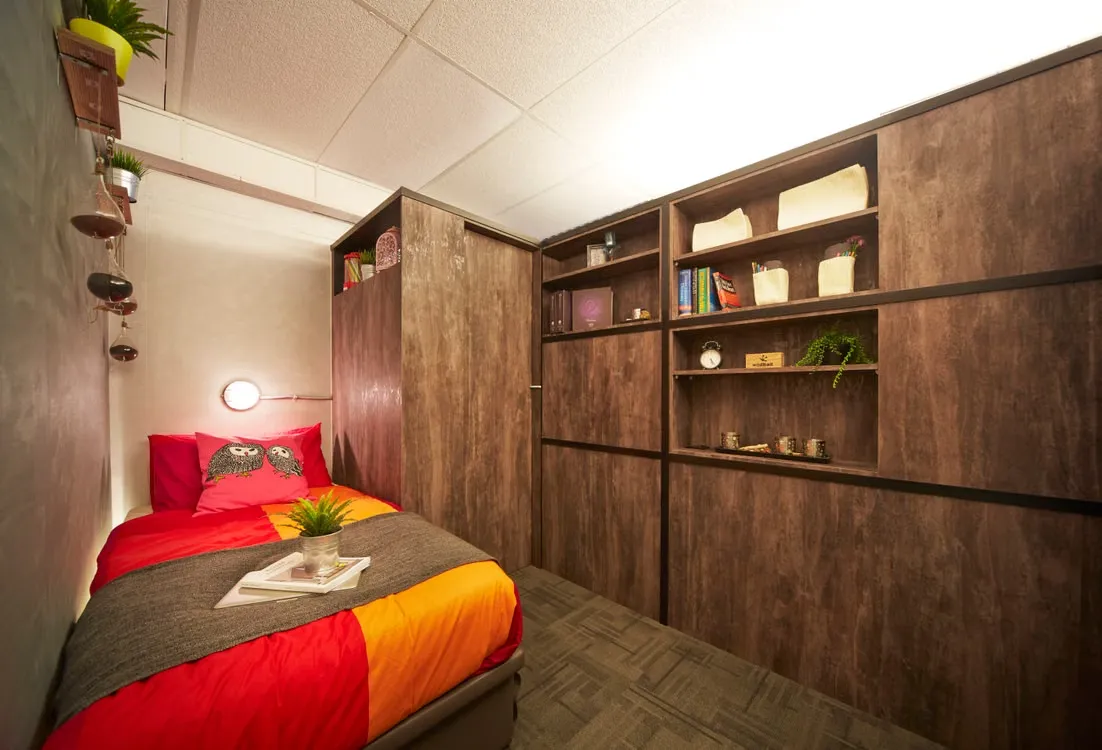
An important advantage of integrated design is the organization of the layouts of the interior. Tengah Garden Residences demonstrates how considerate zoning helps to follow day-to-day activities without any superfluous complications. The living rooms, individual rooms and utility rooms are arranged in such a way that they minimize friction in movements and enhance flows. Such a method of planning makes sure that the houses are dynamic so that the areas can be used to work, sleep, and have fun according to the needs.
Seamless Connection Between Private and Shared Areas
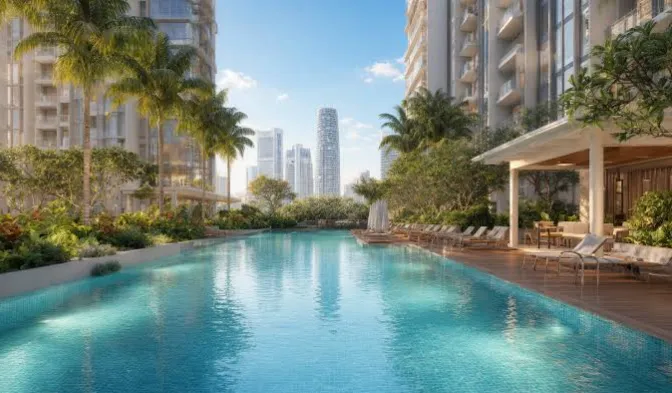
Integrated residential design is not confined to single apartment units only, but to a communal setting. The example of Promenade Peak shows that shared spaces can be used to complement individual living, provided that they are well-designed. The spaces are not isolated facilities but are integrated with the general residential experience. The blending of residential and social spaces, the clarity of circulation lines, and the openness to the sight all help create shared areas, which become intuitive and still take into consideration the individual space.
Enhancing Comfort Through Environmental Integration
Environmental responsiveness is a major determinant of comfort in urban housing. The Tengah Garden Residences is an integrated design which can be seen in the alignment of building orientation, location of windows and internal layouts. All these features combine to ensure that daylight is maximized and natural air is promoted in living areas. Whenever the environmental factors are taken into consideration at an early stage of the planning process, the home will feel more comfortable by nature and will not need too much reliance on artificial lighting systems and cooling.
Convenience Built into the Residential Framework
The convenience is also enhanced through an integrated design that matches spatial planning that aligns with day-to-day habits. The Promenade Peak demonstrates the effectiveness of the rational arrangement of facilities and the entrance points that can save the time and energy of the residents. Effective internal flow minimizes wastage of time on unnecessary movement, whereas intuitive access to common facilities promotes easier day-to-day movement. Space is also well arranged so that various actions can be undertaken without spatial clash, thereby providing a more practical living environment.
Supporting Sustainability Through Unified Planning
Sustainability will be more efficient when it is incorporated into the general design strategy. Integrated residential developments like the Tengah Garden Residences can achieve efficiency through minimizing waste space and maximizing building performance. Integrated planning that puts structure, layout, and materials into one space is used to reduce the use of energy in the long term and yet ensure comfort. This is the solution to environmental responsibility without reducing the usability in its daily usage.
Conclusion
Integrated design is now becoming a necessity and not a luxury as cities become increasingly dense. The example of Promenade Peak and Tengah Garden Residences shows how coordinated planning increases the livability, flexibility, and long-term value. Integrated residential design provides a sustainable solution to the modern urban lifestyle by harmonizing the spaces of the individual and those shared with others, the environment and the needs of environmental considerations, without becoming obsolete as the demands of the lifestyle are changing.