Two flats sit on a shortlist. One is small, close to the city, and costs a lot per square foot. The other is roomy, further out, and kinder to the wallet. Buyers argue about this choice at dinner tables everywhere, and honestly, there is no single right answer.
Someone eyeing Langdon Heights may face this exact tug of war. The fair way to settle it is to compare real life, not just prices. This article walks through space, time, money and plans, so you can weigh both sides calmly. Take notes if you like.
Trading Space for Location
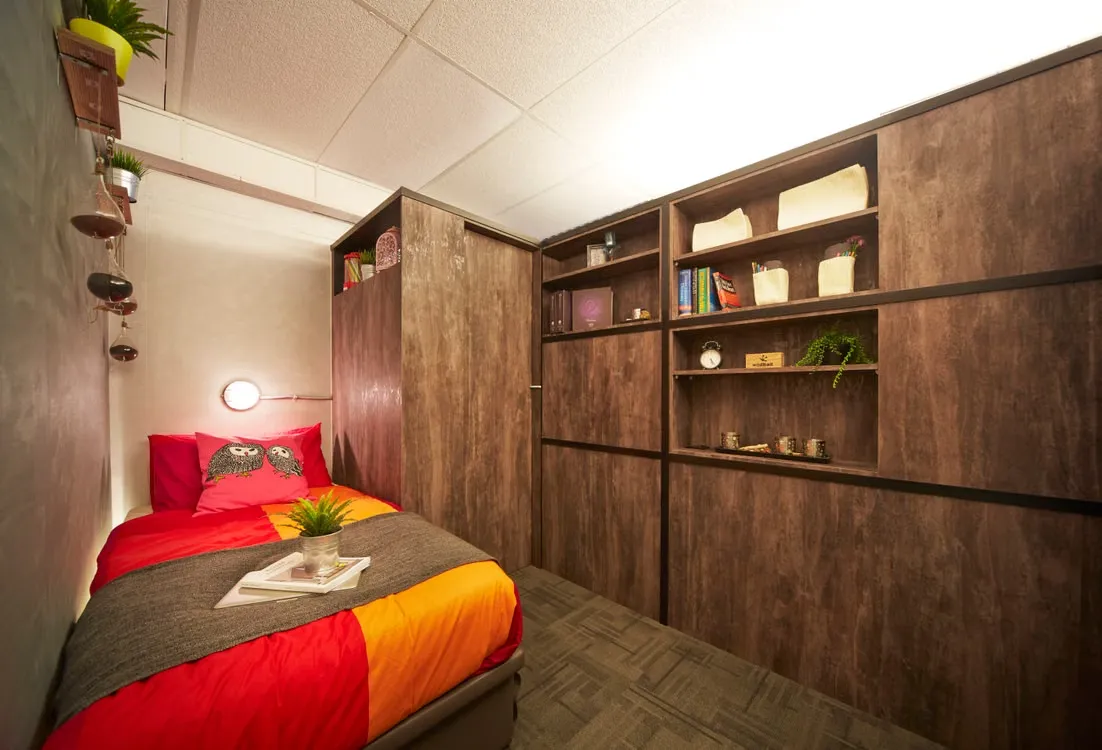
A prime spot buys time and options. Shops, trains, offices and restaurants sit close by. You pay for that edge with smaller rooms and a tighter layout, so every wardrobe and shelf has to earn its place. Some people love that discipline.
A larger suburban home flips the deal. More rooms, a proper dining area and maybe a spare study come at a lower cost per square foot. Buyers comparing Chencharu Central Residences with a roomier option further out should list what each space actually lets them do.
What Daily Life Looks Like
Count the minutes. A long commute eats evenings, week after week. Over a year, those hours add up to many full days. A central address can give them back for exercise, family or plain rest, which many people value more than extra floor area.
Suburban life has its own rewards. Quieter streets, parks, bigger lifts and easier parking can make home feel calmer. Some residents enjoy the drive. Others dread it. Try the commute yourself at rush hour before deciding, not on a quiet Sunday.
Budget, Loans and Hidden Costs
Price tags tell only part of the story. Add loan repayments, stamp duties, maintenance fees and travel costs. A cheaper suburban home may need a car, fuel and parking, which quietly narrow the savings gap.
A small prime unit may need a bigger loan per square foot. Check what repayments you can handle if interest rates rise. Anyone looking at Langdon Heights, or any other home, should run the numbers with a bank or adviser and keep a cushion for surprises.
Growth Potential Over Time
Central homes often hold demand because land is scarce and jobs are close. Tenants like them, and buyers keep looking. That does not guarantee profit, yet it can support steadier resale interest over many years.
Suburban areas can grow too, especially when new transit lines, schools or malls arrive. Research planned projects around each site. Past trends help, though no one can promise future prices, so treat forecasts as guides, not facts.
Family Size and Future Plans
Life changes. A couple may be happy in a compact flat now, then need more room after a baby, a parent moving in, or remote work. Moving again costs money and energy, so think a few years ahead.
Singles and pairs who eat out and travel often may enjoy a small central home. Growing families usually value rooms and nearby schools. Chencharu Central Residences and any alternative should be tested against your plans for the next five to ten years.
A Simple Way to Decide
Write two lists. Must haves and nice to haves. Be blunt. If a third bedroom is a must, a tiny unit fails right away. If a ten minute commute is a must, the far suburb may fail instead. Score each option right after you leave while details like street noise, corridor heat, and elevator wait times are still fresh. Waiting a few days blurs small annoyances into background noise and lets brochure photos take over your memory. Comparing quick notes across places like Langdon Heights or Chencharu Central Residences keeps your decision grounded in what you actually experienced.
Then visit both homes on a weekday evening and a weekend morning. Walk the streets. Sit in the living area for ten minutes. Gut feeling is not data, but it often exposes a problem the spreadsheet missed.
Conclusion
Prime and suburban homes each solve a different problem. One saves time and keeps you close to the action. The other gives room and calm for less money per square foot. Your habits decide the winner.
Be honest about your budget, your commute and your next five years. Get advice from a licensed professional before committing. A good choice is the one you can afford, enjoy and still like when life changes.